Dyeing Methods for Custom Sportswear & Apparel
Professional Dyeing Methods for Custom Sportswear
Colour is more than a shade on a tech pack. The dyeing method affects color accuracy, fabric hand feel, colorfastness, production cost, minimum order quantity, and how consistently a garment can be reproduced in future orders.
At Axis Sportswear, we match the dyeing process to your fabric composition, garment construction, color requirement, order quantity and performance target. From solid-color activewear and premium cotton garments to garment-dyed streetwear and custom tie-dye collections, we help brands select the right coloration process before production begins.
Whether you need a specific Pantone color, a washed vintage effect, a high-colorfastness performance fabric or a custom multi-tone finish, our team can recommend the appropriate dyeing route and develop a pre-production sample for approval.
Custom Dyeing Services | Low MOQ | Colour Matching | Sample Development | Worldwide Manufacturing
Every printing technique we run in-house
All eight methods below are produced at our own facility. Nothing is subcontracted, which is why we can hold color consistency across repeat orders and turn samples in 7–10 days.
What Are Dyeing Methods?
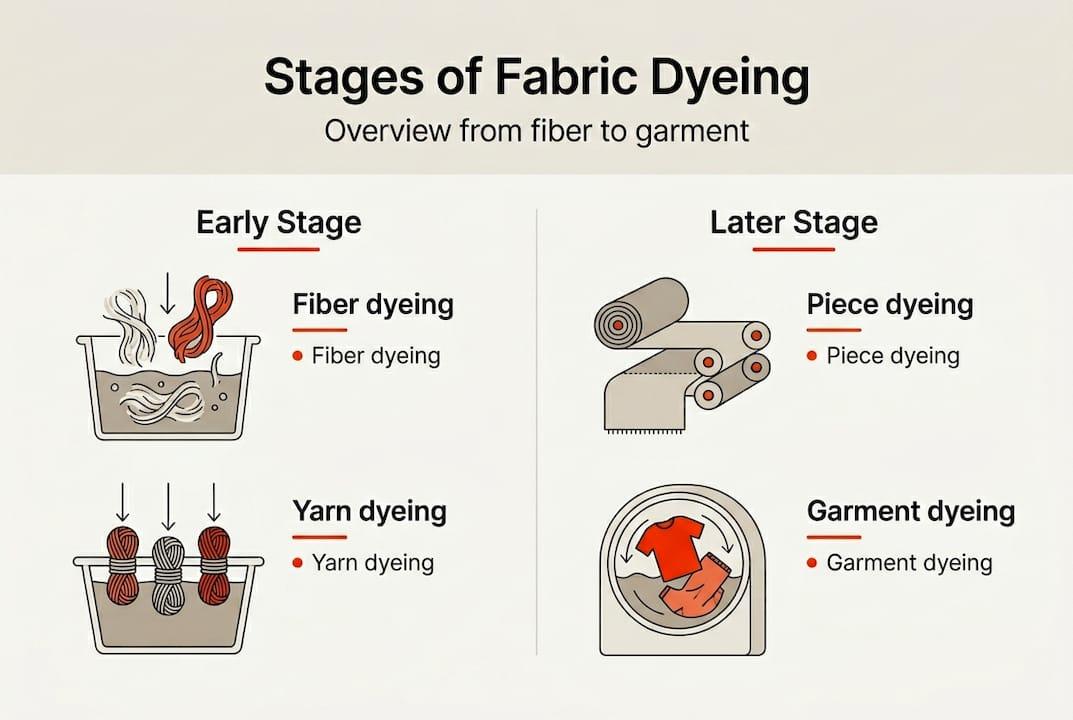
Dyeing is the process of adding color to textile fibers, yarns, fabrics, or finished garments using controlled combinations of dyes, chemicals, temperature, time, and processing conditions.
The stage at which color is introduced makes a major difference.
Colour can be added at the:
- Fibre stage — before yarn is produced
- Yarn stage — before knitting or weaving
- Fabric stage — after the fabric is knitted or woven
- Garment stage — after the garment has been cut and sewn
For apparel brands, the right method depends on the fabric, desired appearance, colour requirements, production quantity and final application.
Our Apparel Dyeing Methods
1. Reactive Dyeing
Best for: Cotton, cotton-rich fabrics and many cellulosic fibres
Reactive dyeing creates a strong chemical bond between the dye and suitable textile fibres. It is widely used for cotton apparel where brands need rich shades, good wash fastness and consistent solid colours.
Why choose reactive dyeing?
- Excellent colour depth
- Strong wash fastness when properly processed
- Suitable for a wide range of solid shades
- Ideal for premium cotton apparel
- Suitable for custom colour development
- Good choice for T-shirts, hoodies, sweatshirts and casualwear
Reactive dyeing is particularly important for cellulosic garments, although process control around pH, temperature and electrolytes is critical for consistent results.
Ideal products:
Custom T-shirts • Hoodies • Sweatshirts • Joggers • Cotton activewear • Premium casualwear
2. Piece Dyeing / Fabric Dyeing
Best for: Solid-colour fabric produced in bulk
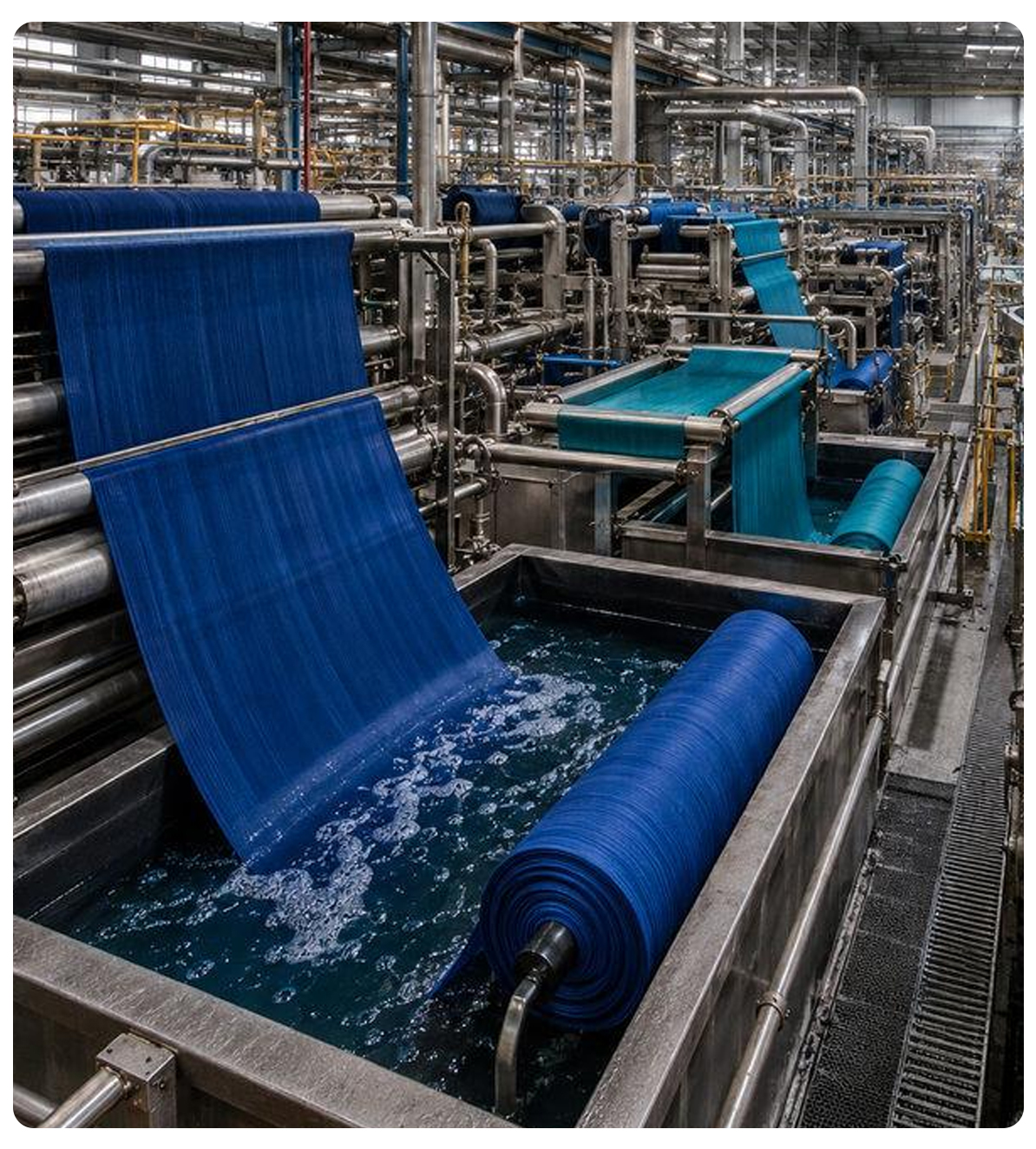
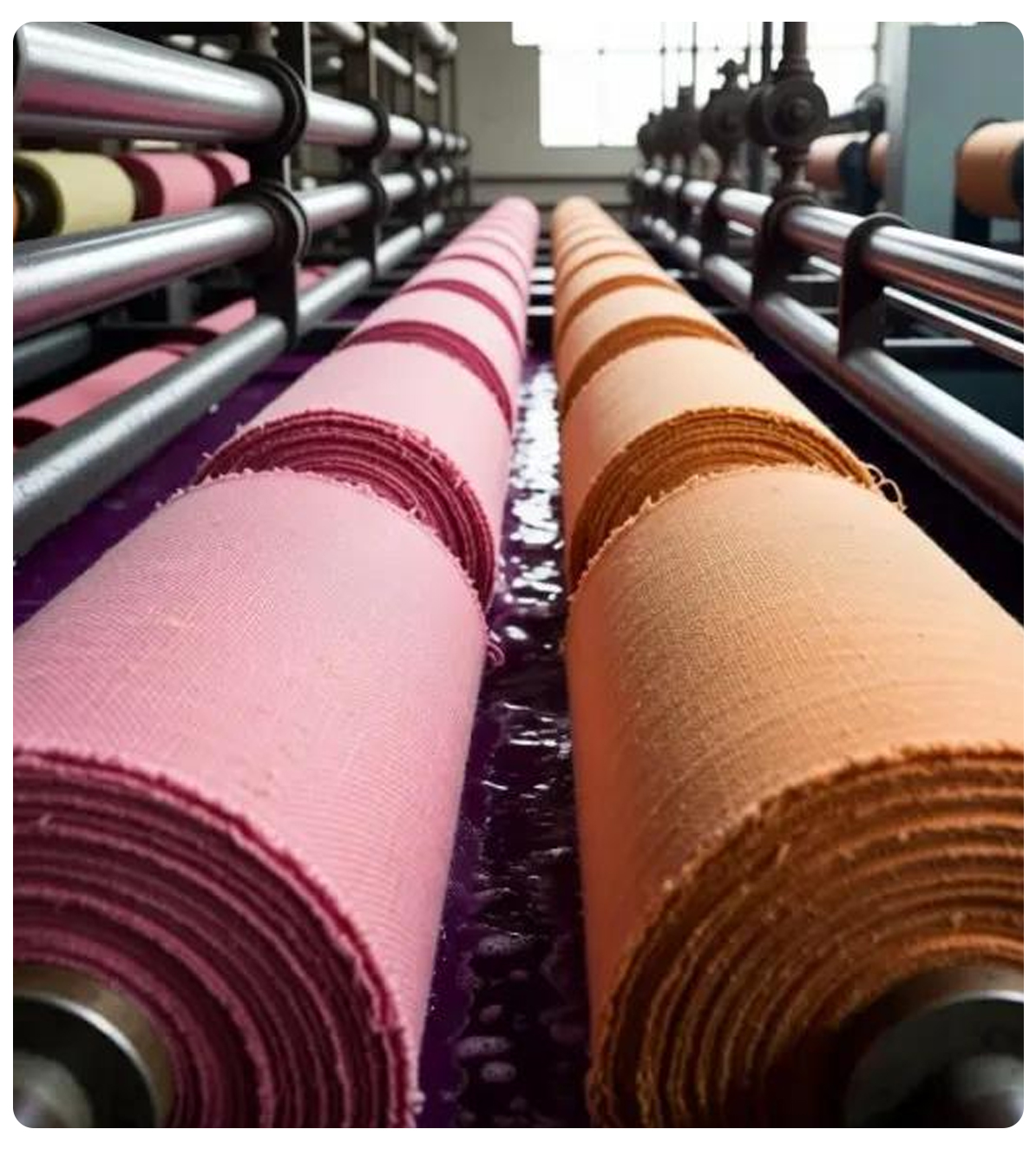
Piece dyeing colours the fabric after it has been knitted or woven but before cutting and sewing.
It is one of the most practical routes for producing large quantities of consistent solid-colour fabric.
Benefits
- Consistent fabric shade
- Efficient for larger production runs
- Good repeat-order control
- Suitable for many knitted and woven fabrics
- Allows fabric finishing after dyeing
- Ideal for large-scale apparel production
The fabric can be processed using different dyeing systems depending on its construction and fibre composition.
Ideal products:
Sports jerseys • T-shirts • Activewear • Leggings • Tracksuits • Shorts • Uniforms
3. Garment Dyeing
Best for: Fashion apparel, premium casualwear and washed/lived-in aesthetics
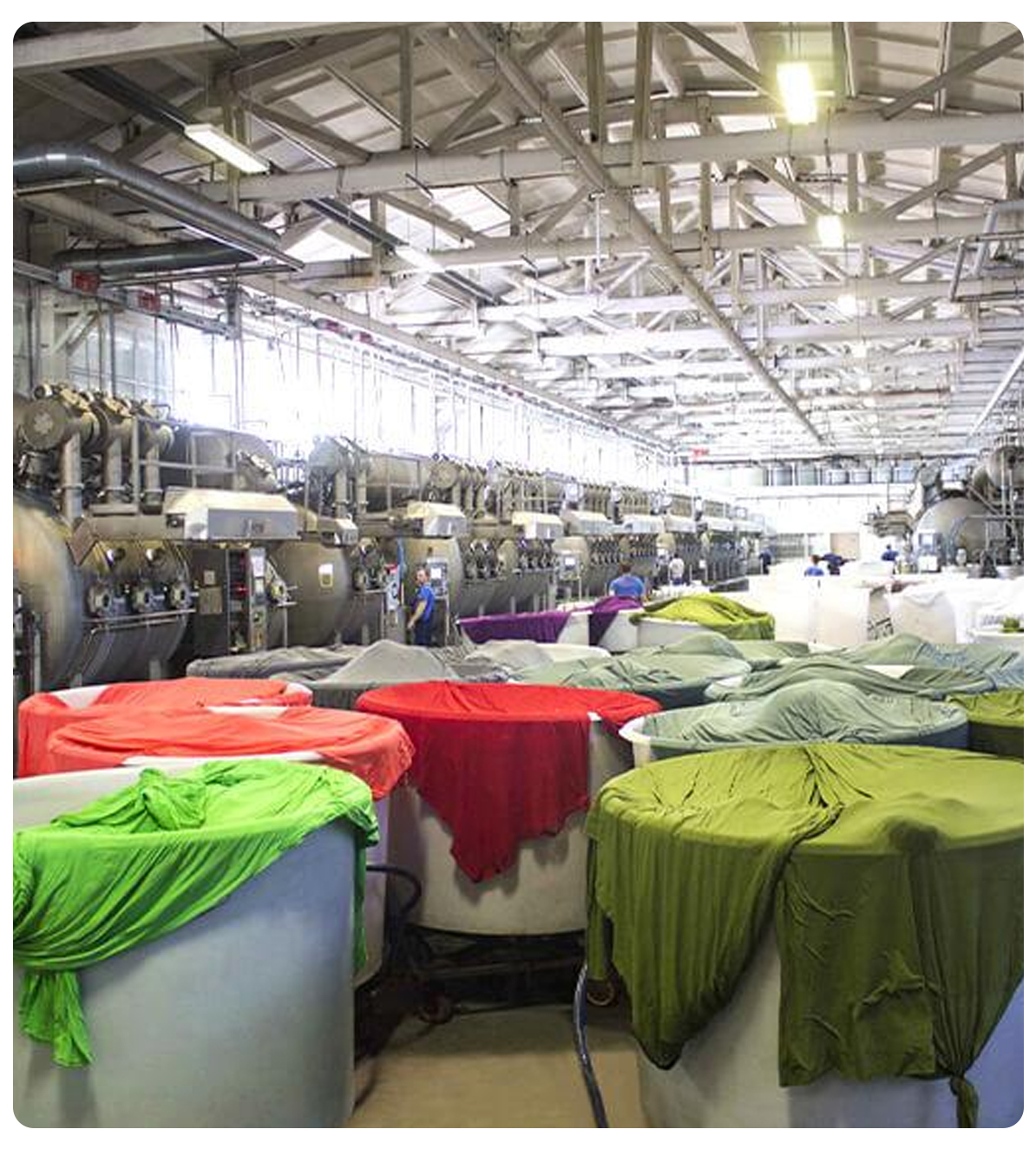
Garment dyeing takes place after the garment has been cut and sewn. Instead of dyeing a fabric roll first, the completed garment is processed in the dye bath.
This allows brands to achieve distinctive tonal effects, softer appearances and certain washed or vintage aesthetics.
Benefits
- Unique finished-garment appearance
- Soft, washed aesthetic
- Flexible colour development
- Useful for smaller colour programmes
- Suitable for fashion and lifestyle collections
- Colour is introduced later in the manufacturing process
Because the entire constructed garment is processed, components such as thread, labels, zippers, buttons and trims must be considered when developing the garment-dye specification.
Ideal products:
Oversized T-shirts • Hoodies • Sweatshirts • Joggers • Streetwear • Casualwear
4. Yarn Dyeing
Best for: Stripes, checks, plaids and engineered fabric patterns
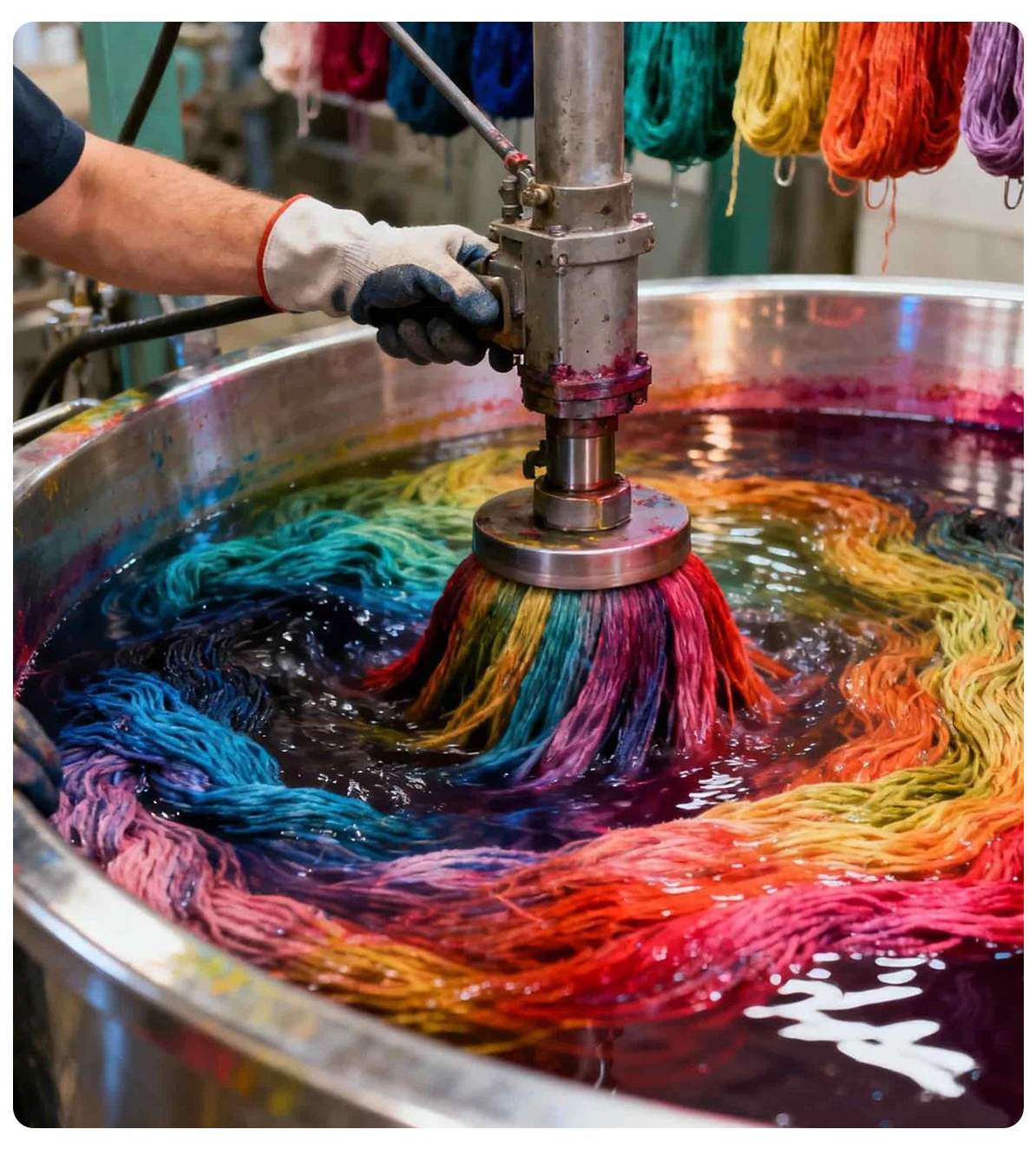
Yarn dyeing colors the yarn before the fabric is knitted or woven.
Because different colored yarns can be combined during fabric construction, yarn dyeing is particularly useful for patterns built directly into the textile rather than printed on its surface.
Benefits
- Stripes built into the fabric
- Checks and plaids
- Color patterns with excellent definition
- Durable structural color effects
- Premium woven and knitted appearance
Ideal products:
Polo shirts • Rugby shirts • Woven shirts • Striped sportswear • Checks • Plaids
5. Solution Dyeing
Best for: Polyester and other suitable synthetic fibres requiring high colourfastness
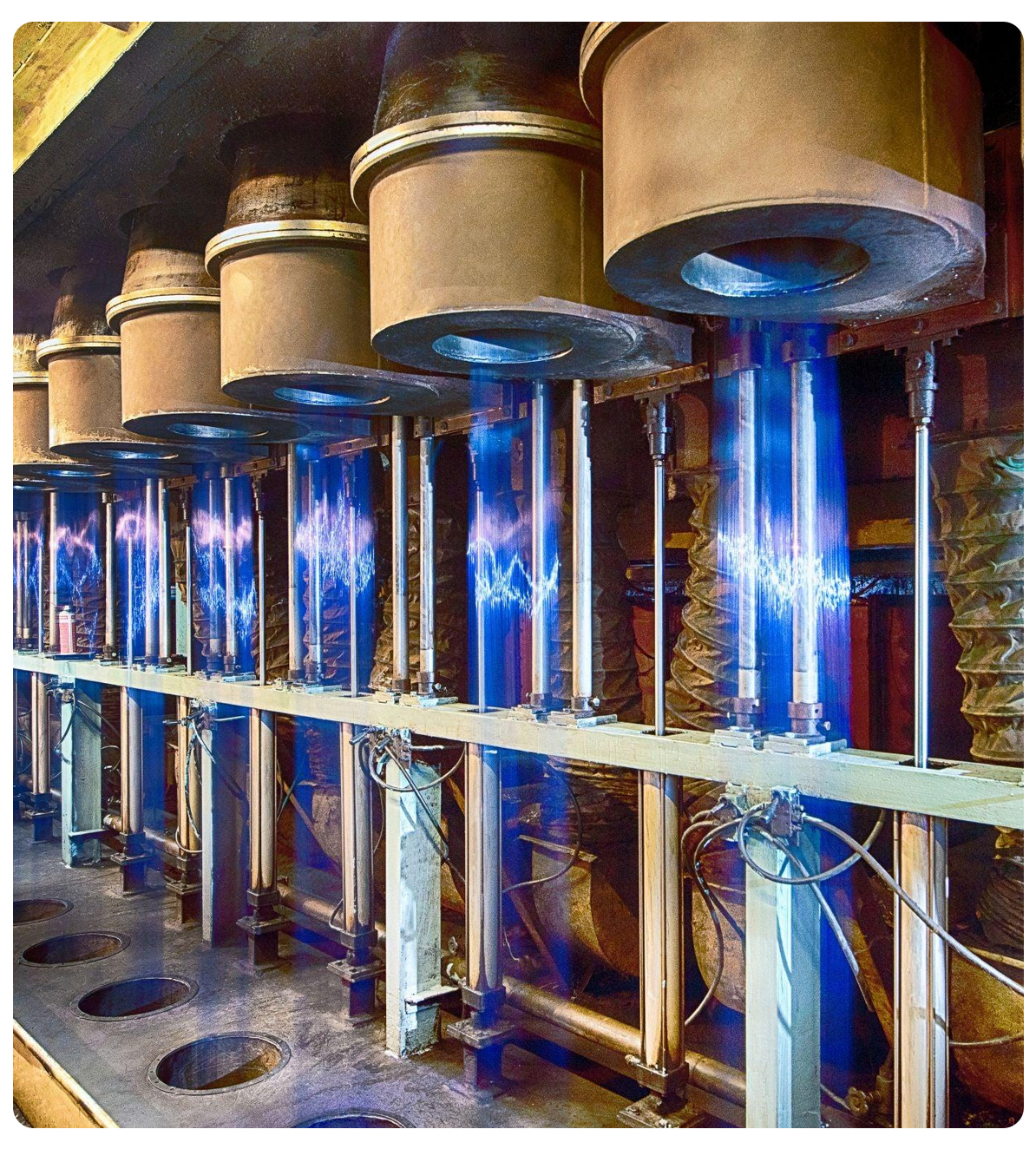
Solution dyeing, also called dope dyeing, introduces pigment into the polymer before the synthetic fibre is formed.
Because the colour becomes part of the fibre rather than being applied to an already formed textile, this method can provide excellent resistance to UV exposure and other forms of colour loss.
It can also reduce water and energy requirements compared with conventional piece dyeing for suitable applications.
Benefits
- Excellent colourfastness
- Strong UV resistance
- Consistent colour throughout the fibre
- Suitable for performance and outdoor applications
- Potentially lower water use than conventional dyeing
Ideal products:
Performance sportswear • Outdoor apparel • Technical textiles • Long-life activewear
Important: Solution dyeing requires colour decisions earlier in development and is generally less flexible for small custom colour runs.
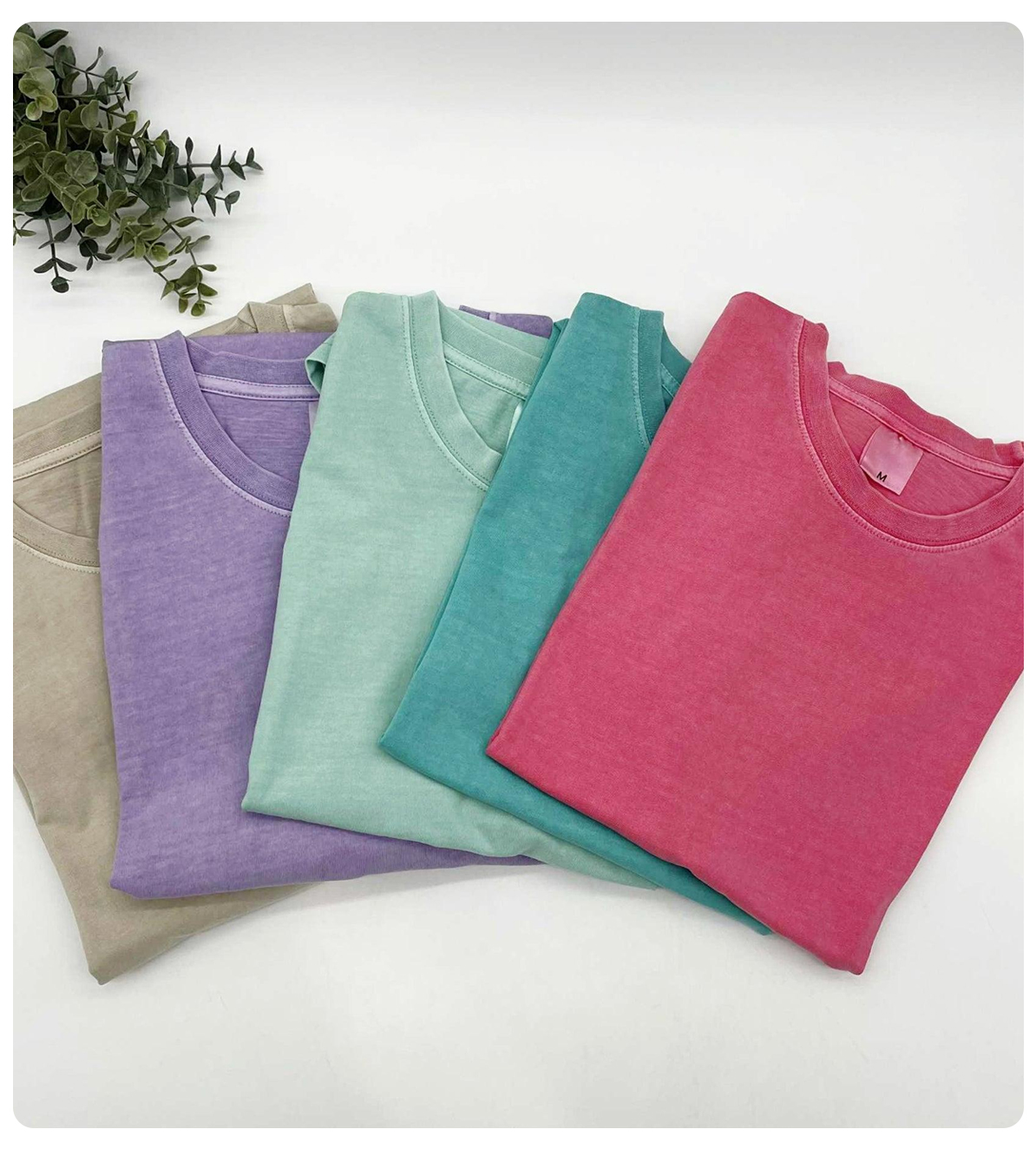
6. Pigment Dyeing
Best for: Vintage, washed and fashion-forward apparel
Pigment dyeing uses pigments to create distinctive surface coloration and is often selected when the desired result is a more casual, aged or washed appearance.
It can be particularly effective for fashion and streetwear collections where slight tonal variation is part of the design intention.
Benefits
- Vintage appearance
- Washed-down colour effect
- Fashion-oriented finish
- Suitable for selected cotton garments
- Can create unique tonal character
Ideal products:
Streetwear • Oversized T-shirts • Hoodies • Sweatshirts • Casual collections
7. Tie-Dye
Best for: Custom graphic colour effects and fashion collections
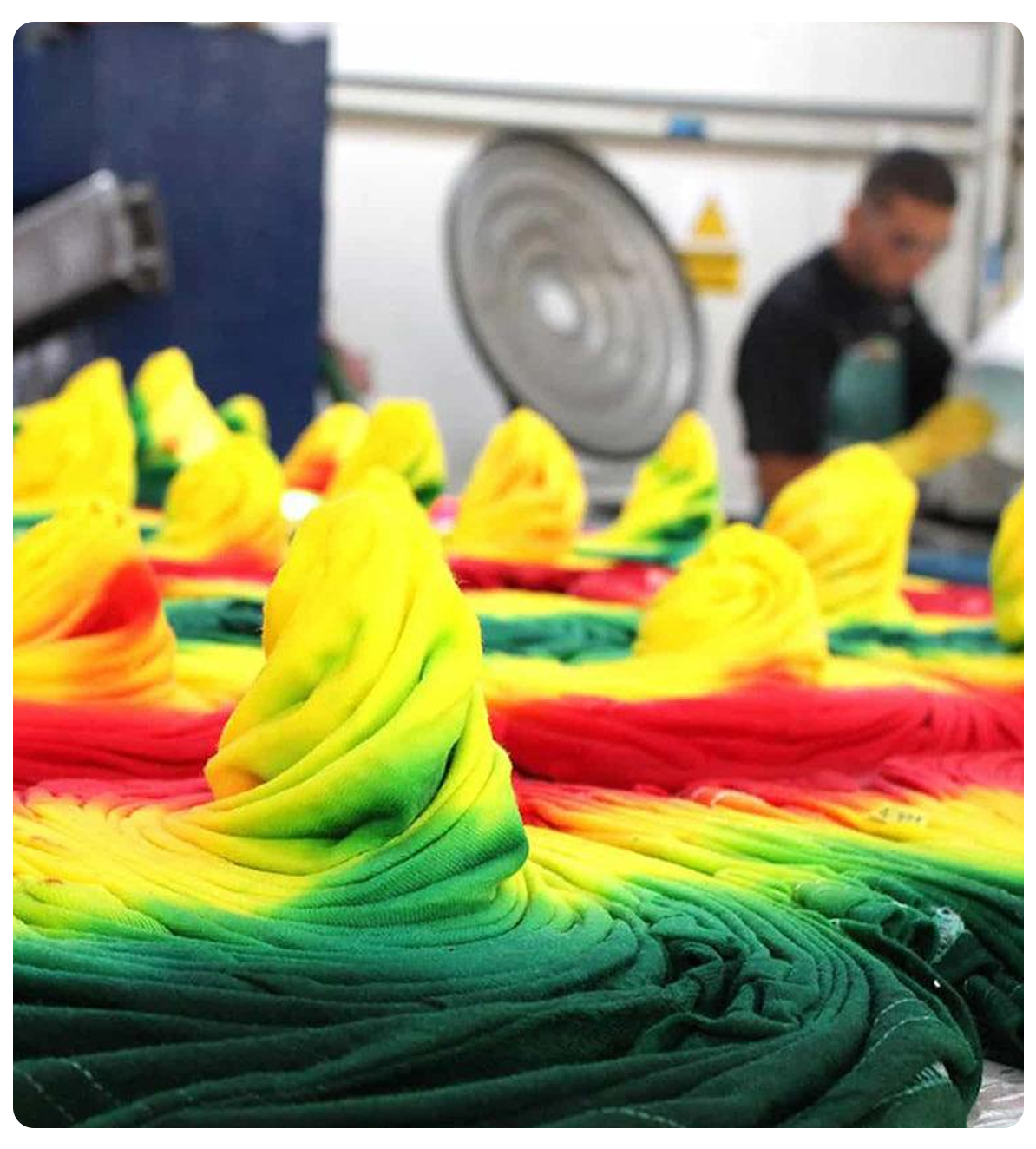
Tie-dye creates controlled or organic colour patterns by manipulating the garment or fabric before applying dye.
Instead of producing a uniform solid shade, tie-dye can create spirals, clouds, gradients, folds and other unique effects.
Custom tie-dye options
- Spiral tie-dye
- Crumple tie-dye
- Ombre effects
- Multi-colour patterns
- Custom colour combinations
- Brand-specific colour placement
Ideal products:
T-shirts • Hoodies • Sweatshirts • Loungewear • Streetwear
How to choose the right printing method
Three questions settle it in almost every case. Work through them in order; fabric rules out more options than anything else, so start there.
100% polyester on a light base → sublimation. Cotton or high-cotton → screen print, DTG, water-based or discharge. Mixed catalogue, dark colours or nylon → DTF. This single answer usually eliminates half the list.
Under 50 → DTG, DTF or heat transfer, where there is no setup to amortise. Over 200 with four colours or fewer → screen printing wins clearly on unit cost. Full-kit team orders at any volume → sublimation.
Photographs and gradients need a digital method — sublimation, DTF or DTG. Flat vector logos in a few spot colours are ideal for screen print. Anything crossing a seam or running edge-to-edge must be sublimated before cut and sew.
Sublimation, by a clear margin. Because the dye bonds inside the polyester fibre rather than sitting on the surface, there is no ink layer that can crack, peel or wash away — the graphic lasts as long as the garment does. Among surface methods, screen printing and DTF both hold up well past 50 washes when cared for correctly.
DTG prints ink directly into the garment and needs cotton to absorb it properly, giving a very soft finish but limited fabric compatibility. DTF prints onto a film that is then heat-pressed on, so it bonds to almost any fabric including polyester, blends and dark colours. Choose DTG for soft cotton tees; choose DTF when your range mixes fabrics or uses performance synthetics.
Can you print on 100% polyester activewear?
What is your minimum order quantity for custom printing?
How long does production take from artwork approval?
Do you offer eco-friendly printing options?
Can you match my exact brand colours?
Can more than one printing method be combined on one garment?
Send us your artwork — we will recommend the method
Tell us the garment, the fabric and the quantity. You will get a printing recommendation, a mock-up and a quote, usually within 24 hours. Samples in 7–10 days, MOQs from 50 pieces, and free design support on every order.
Yes. Sublimation is the best option on light-coloured polyester and produces zero hand feel. For dark polyester, or where sublimation is not viable, DTF and screen printing with a poly-specific low-bleed ink both work well. DTG is not recommended on polyester — the ink does not absorb and colours come out muted.
Minimums start at 50 pieces per style for sublimation, screen printing and puff, and drop to 20–25 pieces for DTG, DTF and heat transfer. Colourways within a style can usually be split. If you are launching a first collection and need to stay under those numbers, contact us — we are often able to work something out.
A manufacturing partner, not just a print shop
Axis Sportswear has manufactured custom sportswear for over 15 years, supplying more than 500 brands across 40+ countries. Every printing method described on this page runs inside our own facility, alongside cut and sew, embroidery, dyeing and fabric washing — so one team owns your order from fabric to finished carton.
Low MOQ, real ones
Start at 50 pieces per style on most methods, and 20–25 on digital. No inflated minimums to make a job worth our time.
Samples in 7–10 days
You approve a physical garment before bulk. Strike-offs on specialty finishes so there are no surprises at delivery.
Free design support
In-house designers redraw, colour-separate and prepare production files at no cost — including full tech packs.
Method-agnostic advice
We recommend what suits your fabric and volume. If screen print beats DTF for your order, we will tell you so.
Repeat-order consistency
Screens, colour recipes and approved samples archived against your account, so reorder three matches order one.
Worldwide delivery
Regular shipments to the USA, UK, Canada, Australia and across the EU, with DDP available on request.
Send us your artwork — we will recommend the method
Tell us the garment, the fabric, and the quantity. You will get a printing recommendation, a mock-up, and a quote, usually within 24 hours.
Samples in 7–10 days, MOQs from 50 pieces, and free design support on every order.