
Fabric Washing & Garment Washing for Custom Apparel
Fabric Washing & Garment Washing Services
The right wash can completely change how a garment looks, feels, fits and wears.
At Axis Sportswear, we provide custom fabric and garment washing solutions for sportswear, activewear, streetwear, casualwear and private-label apparel. From a subtle softening treatment to a heavily washed vintage finish, we select the process according to your fabric composition, garment construction, desired appearance and performance requirements.
Our washing and finishing options include enzyme wash, stone wash, acid wash, silicone wash, bio wash, softener wash and pre-shrunk treatments, with custom combinations available depending on the fabric and target result.
Whether you are developing a heavyweight washed T-shirt, vintage hoodie, premium streetwear collection or custom activewear, we can develop the wash alongside your garment specification and sample it before bulk production.
Custom Wash Development | Sample Approval | Fabric Finishing | Cut & Sew | Worldwide
Every printing technique we run in-house
All eight methods below are produced at our own facility. Nothing is subcontracted, which is why we can hold color consistency across repeat orders and turn samples in 7–10 days.
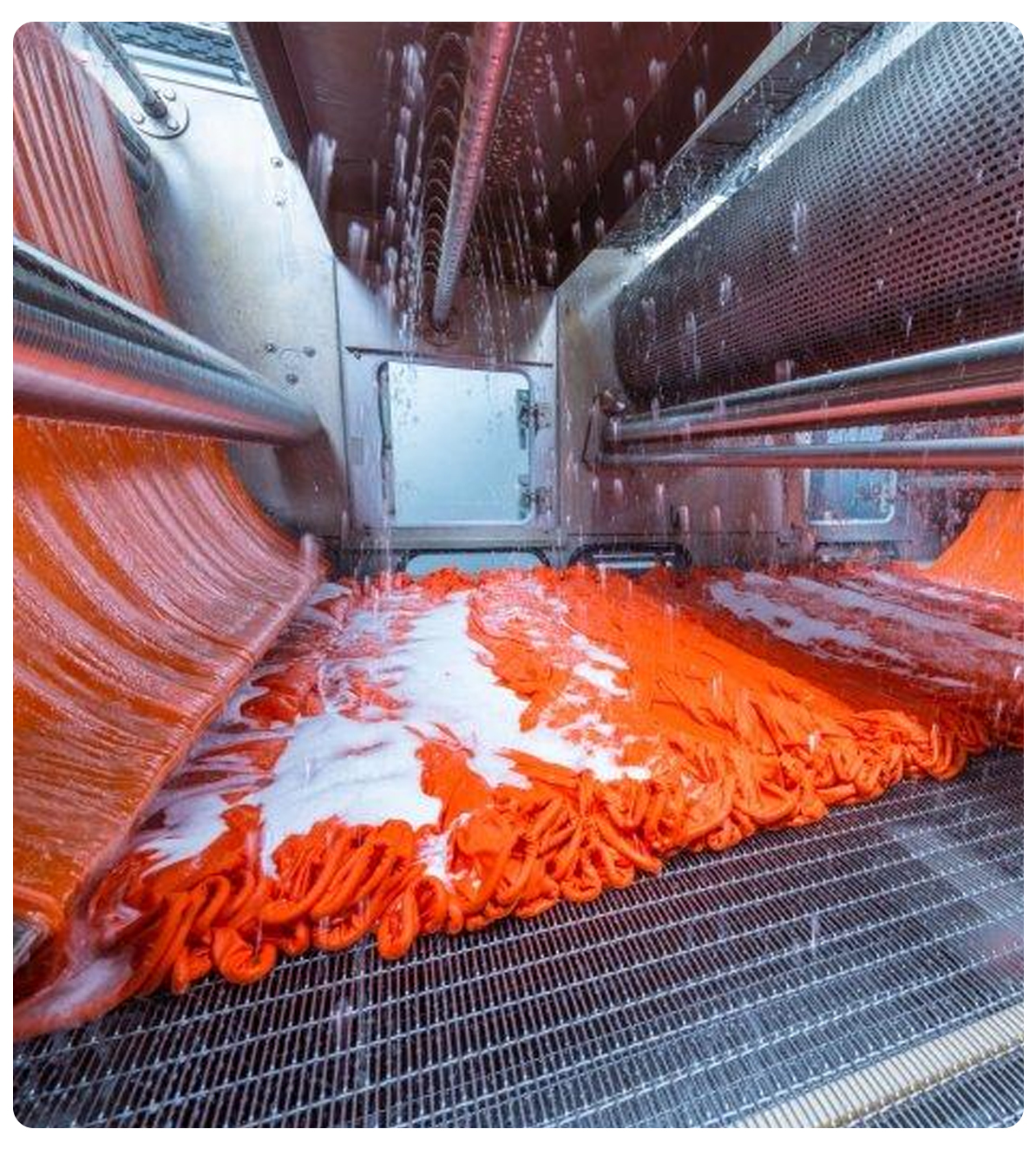
WHAT IS FABRIC WASHING?
Fabric washing is a controlled wet-processing or finishing treatment used to modify the hand feel, appearance, dimensional stability, surface character and overall performance of textile materials or finished garments.
Depending on the process, washing can:
- Soften the fabric
- Reduce unwanted shrinkage
- Improve drape and comfort
- Remove surface fibres
- Create a worn or vintage appearance
- Produce controlled fading
- Improve surface smoothness
- Develop a specific hand feel
- Stabilize the garment after production
Importantly, fabric washing and garment washing are not always the same thing.
Fabric may be washed or finished before cutting, whereas garment washing occurs after the garment has been constructed. The correct stage depends on the desired result and the garment specification.
WHY FABRIC WASHING MATTERS
Washing Is More Than Making Fabric Softer
For modern apparel brands, washing is part of the product design, not simply a final cleaning step.
A wash treatment can determine whether a T-shirt feels crisp or broken-in, whether a hoodie has a clean or vintage appearance, and whether a garment maintains its intended dimensions after laundering.
For example:
Raw cotton → cleaner, firmer hand
Enzyme wash → smoother, softer surface
Stone wash → more pronounced worn appearance
Acid wash → high-contrast, irregular fading
Silicone wash → smooth, soft hand feel
Pre-shrunk treatment → improved dimensional stability
The effect depends heavily on fabric composition, construction and process conditions, so the wash should be developed alongside the garment rather than treated as an afterthought. Research on knitted garments has also shown that enzyme, softener and silicone treatments can measurably affect physical and mechanical properties.
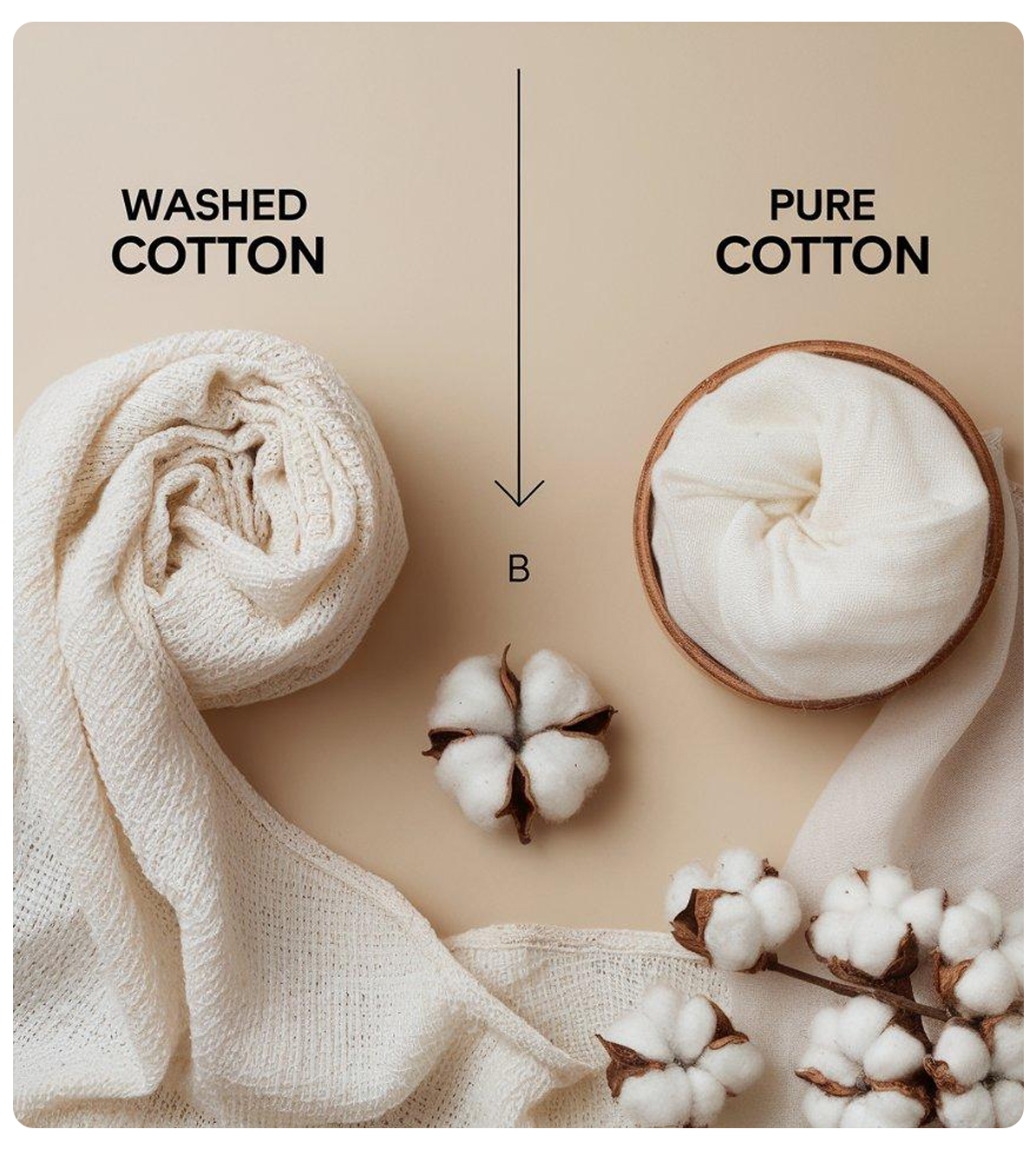
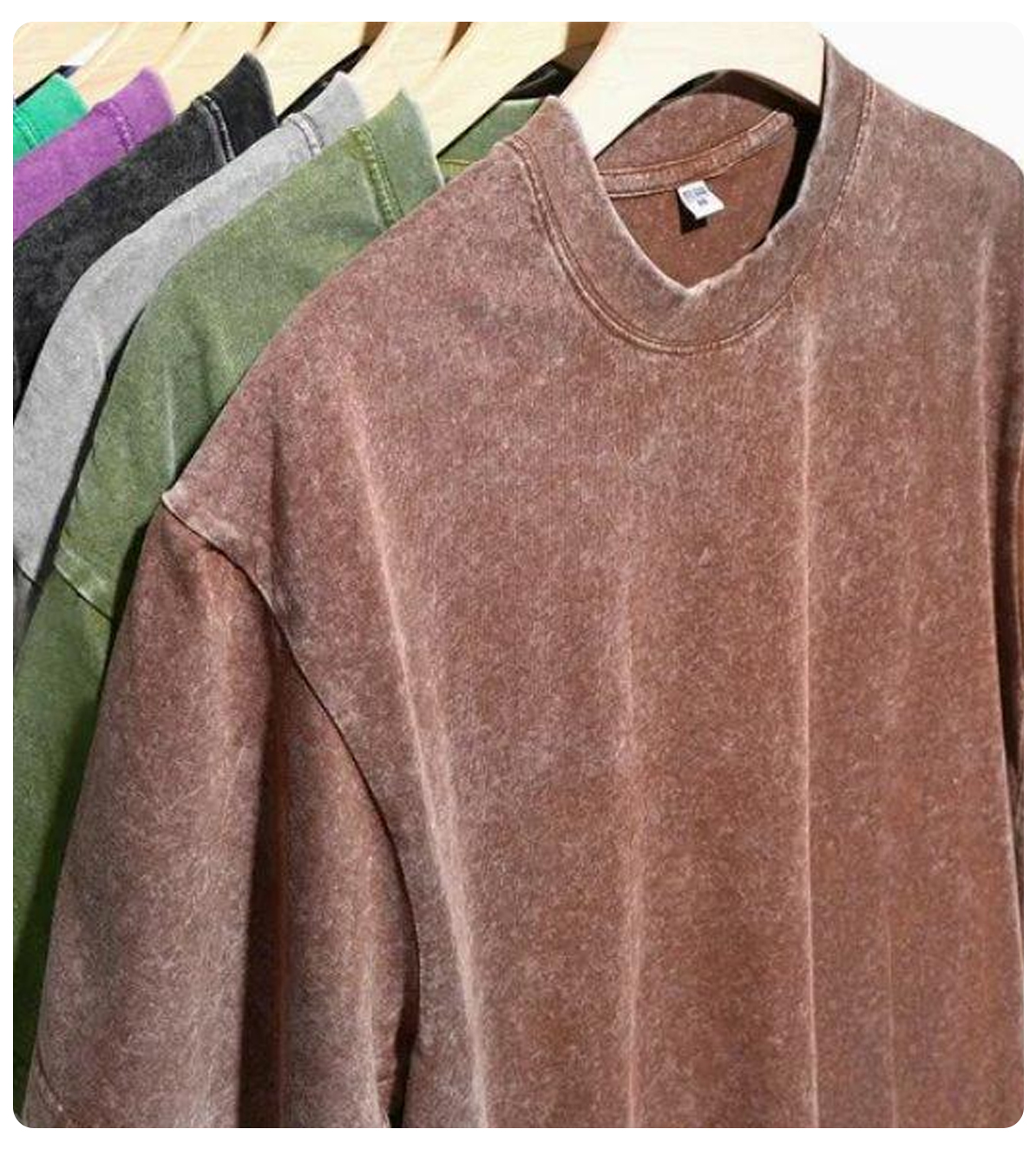
OUR FABRIC & GARMENT WASHING METHODS
Enzyme Wash
Best for: Cotton, cotton-rich fabrics and selected cellulosic textiles
Enzyme washing uses enzymes to selectively break down loose surface fibres. The result can be a smoother, cleaner and softer surface with reduced fuzz and a more refined hand feel.
It is particularly useful when a brand wants a soft, premium appearance without the stronger mechanical abrasion associated with heavy stone washing.
Key benefits
- Soft, smooth hand feel
- Reduced surface fuzz
- Cleaner fabric appearance
- Can reduce pilling tendency
- Controlled fading on suitable fabrics
- Suitable for premium cotton apparel
Enzyme treatments are widely used in textile finishing because they can modify surface fibres while providing controlled effects compared with purely mechanical abrasion.
Ideal for:
T-shirts • Hoodies • Sweatshirts • Joggers • Casualwear • Selected activewear
STONE WASH
Stone Washing
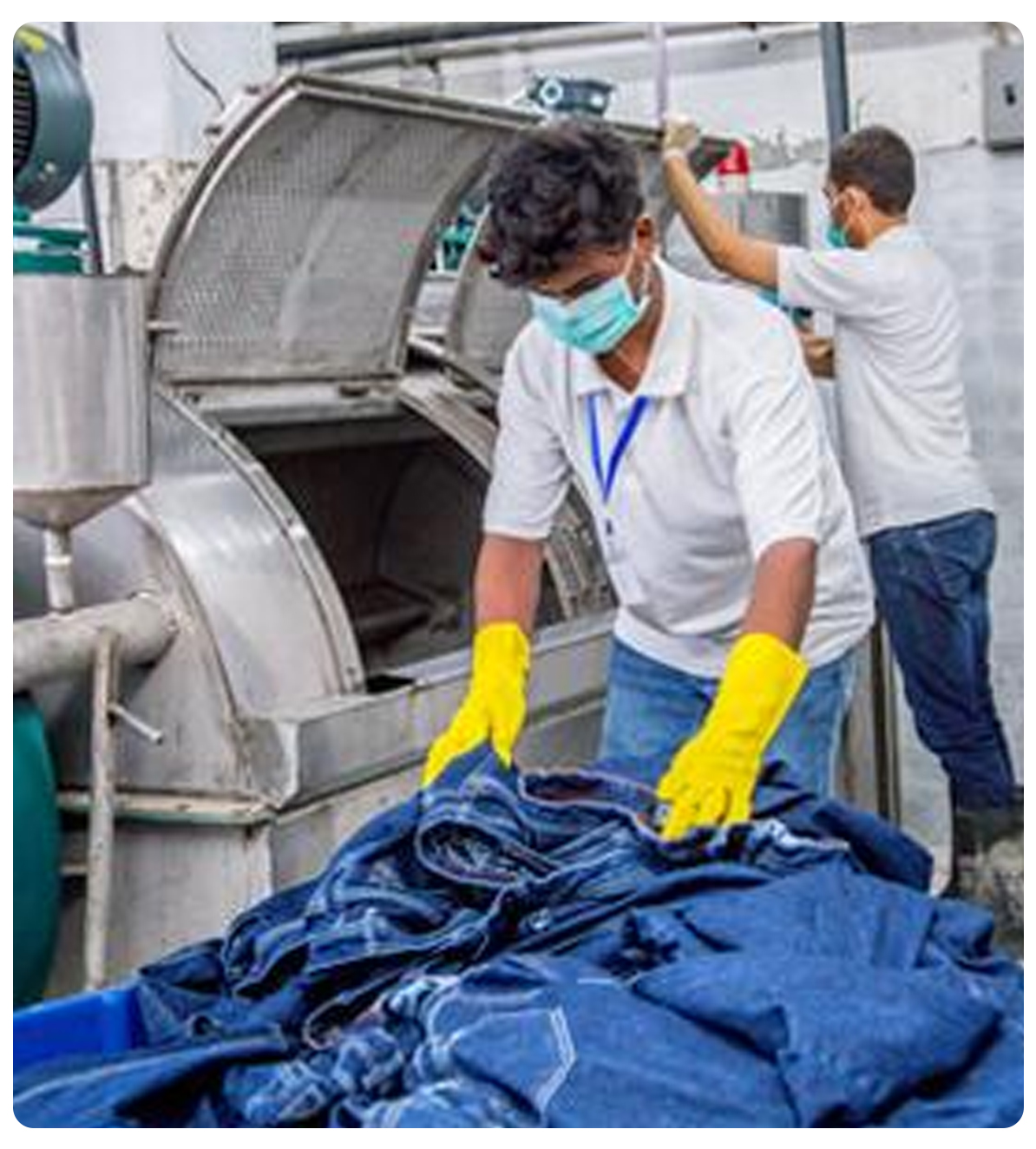
Best for: Denim, heavyweight cotton, twill and selected casualwear fabrics
Stone washing uses mechanical abrasion to create a softer hand and a worn, broken-in appearance.
The garment or fabric is processed with suitable abrasive media, creating controlled surface abrasion and colour change.
Key benefits
- Vintage appearance
- Softer hand feel
- Natural-looking fading
- Broken-in character
- Strong fashion/streetwear appeal
Stone washing is especially associated with denim and heavier fabrics, although suitable cotton garments can also be developed with controlled abrasion.
Ideal for:
Denim • Heavyweight T-shirts • Hoodies • Twill garments • Streetwear
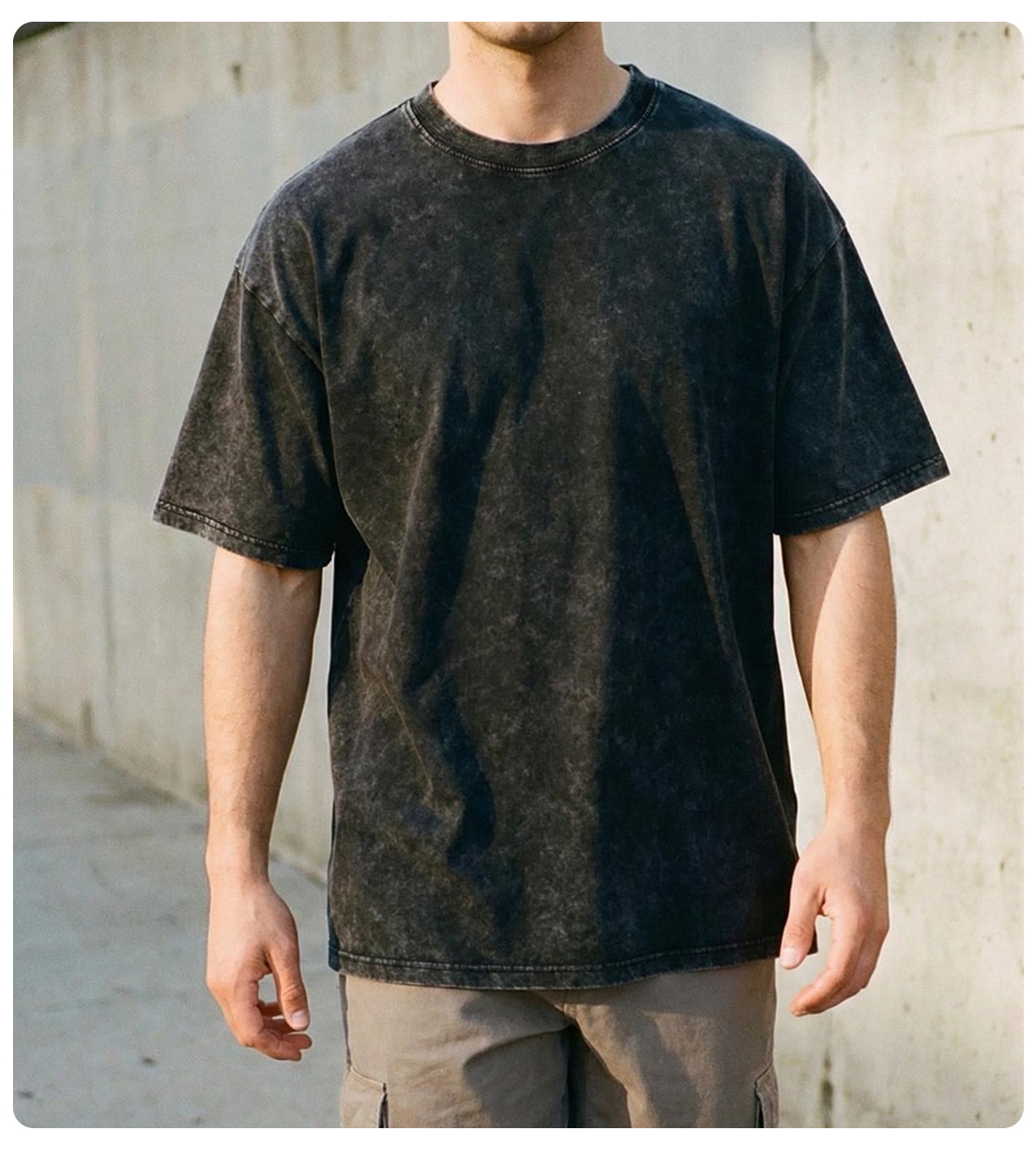
ACID WASH
Best for: Vintage, distressed and high-contrast apparel
Acid washing creates an intentionally irregular, mottled or high-contrast faded appearance.
The exact process and chemistry must be selected carefully because excessive treatment can affect fabric strength and colour consistency.
Key benefits
- High-contrast appearance
- Vintage aesthetic
- Irregular colour variation
- Distressed fashion effect
- Strong streetwear appeal
Acid-washed finishes are particularly associated with denim and vintage-inspired apparel, while similar effects can be developed on suitable cotton garments.
Ideal for:
Streetwear • Oversized T-shirts • Heavyweight hoodies • Denim • Vintage collections
SILICONE WASH
Best for: Soft, smooth and premium hand feel
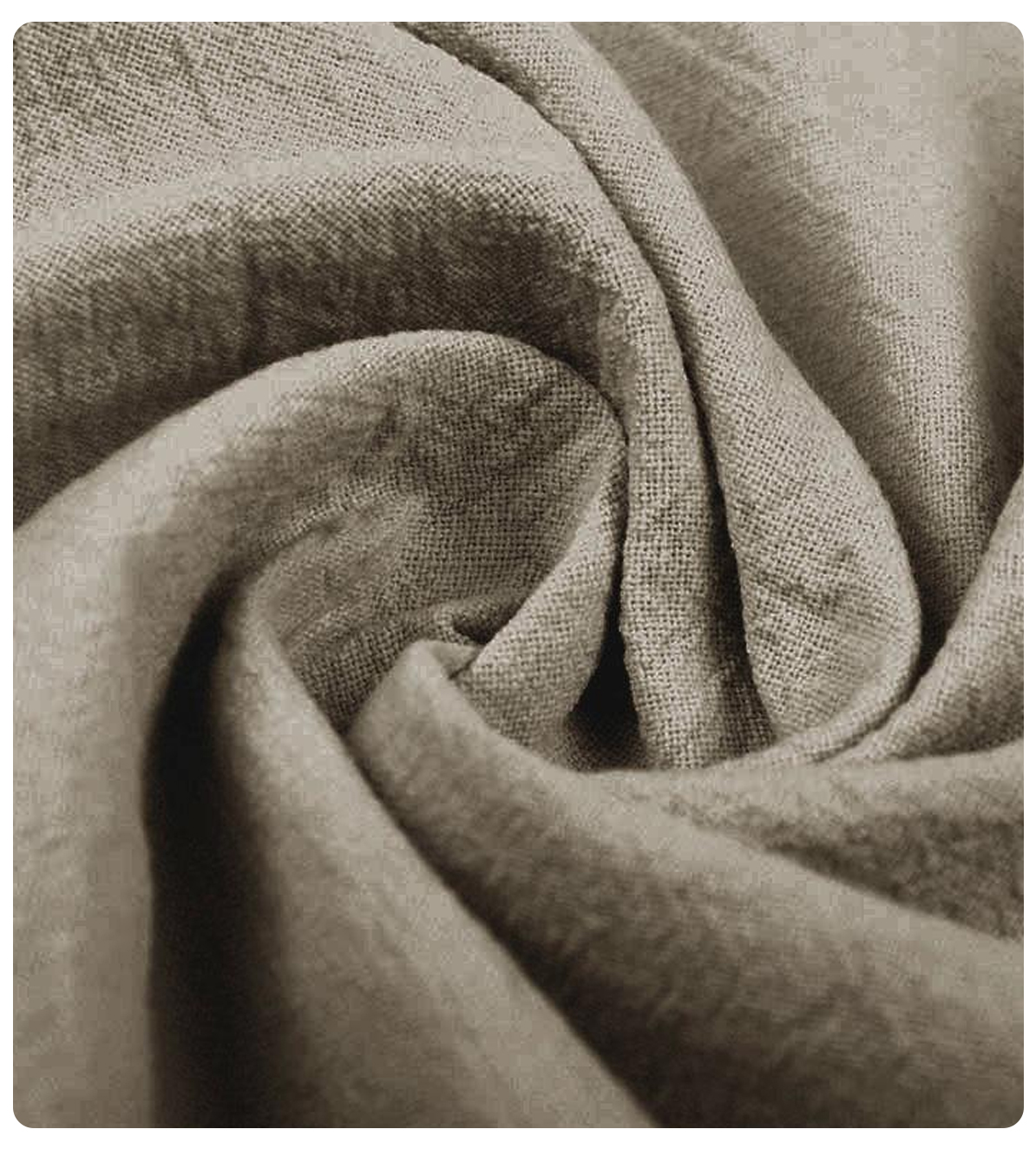
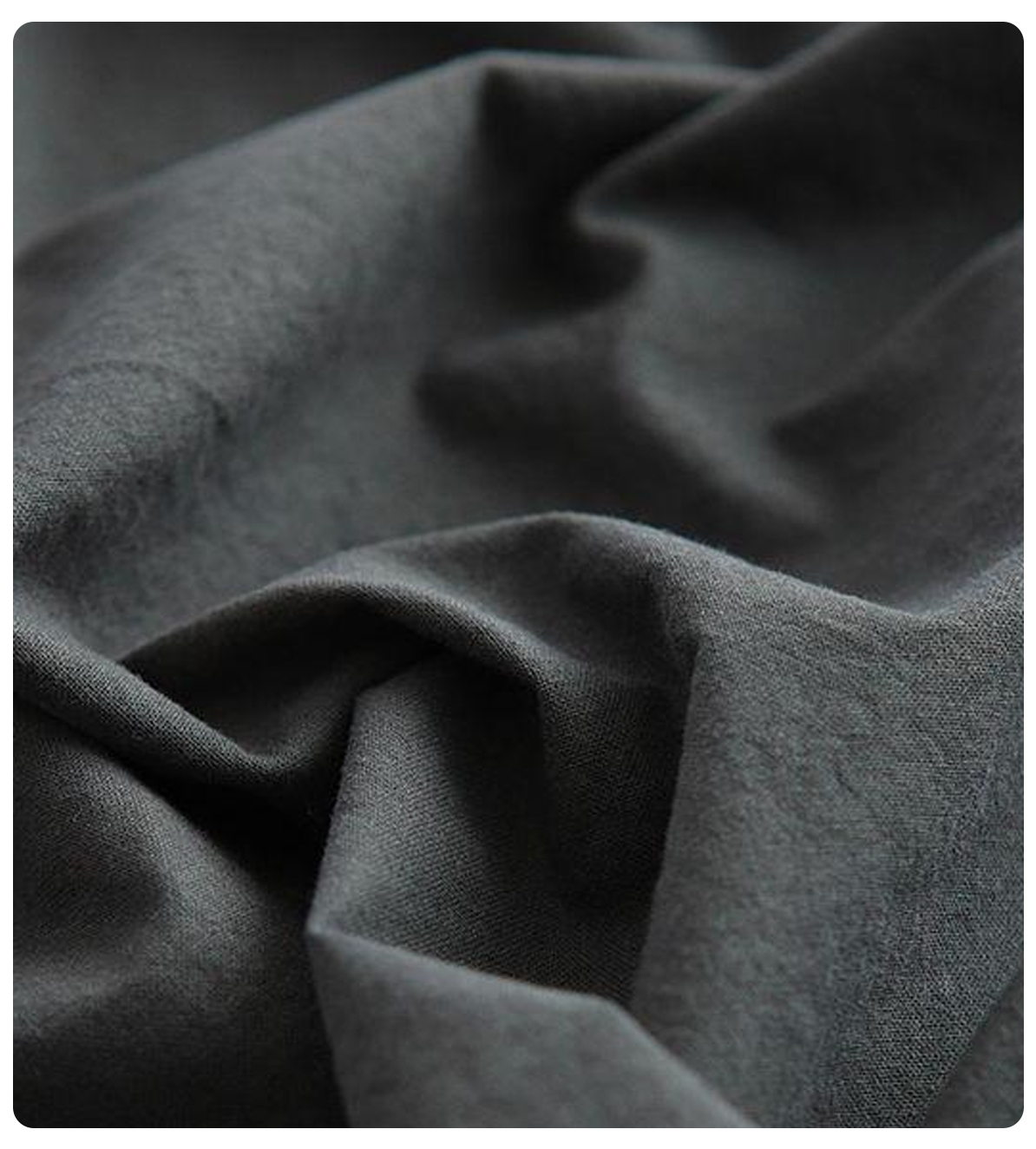
Silicone washing applies a silicone-based finishing treatment that improves the smoothness, softness, flexibility and drape of suitable fabrics.
Unlike abrasion-based washes, silicone finishing is primarily about hand feel rather than creating a faded visual effect. It can also be combined with other washing processes.
Key benefits
- Very soft hand feel
- Smooth surface
- Improved flexibility
- Enhanced drape
- Premium touch
- Can be combined with other washes
Silicone softening is commonly used as a finishing treatment after other wet-processing stages.
Ideal for:
Premium T-shirts • Activewear • Loungewear • Hoodies • Casualwear
BIO WASH
Best for: Smooth cotton surfaces and premium comfort
Bio washing, commonly associated with enzyme-based biopolishing, uses biological enzymes to remove protruding fibres from the textile surface.
This can create a cleaner, smoother and softer fabric surface.
Benefits
- Smooth surface
- Soft hand feel
- Reduced surface fuzz
- Improved appearance
- Suitable for selected cotton and cellulosic fabrics
Bio-polishing processes are used on cotton and other suitable cellulosic materials to improve surface smoothness and reduce pilling-related surface fibre effects.
Ideal for:
Premium cotton T-shirts • Polo shirts • Casualwear • Lightweight sweatshirts
SOFTENER WASH
Best for: Comfort-focused apparel
Softener washing is designed primarily to improve hand feel, flexibility and drape without creating the pronounced fading associated with stone or acid washing.
It can be used as a standalone finishing treatment or after another wash process.
Benefits
- Softer touch
- Better flexibility
- Improved drape
- Enhanced wearing comfort
- Premium garment feel
Softener treatments work by reducing fibre-to-fibre friction and improving the flexibility of the textile surface.
Ideal for:
T-shirts • Hoodies • Joggers • Activewear • Loungewear
How to choose the right printing method
Three questions settle it in almost every case. Work through them in order; fabric rules out more options than anything else, so start there.
100% polyester on a light base → sublimation. Cotton or high-cotton → screen print, DTG, water-based or discharge. Mixed catalogue, dark colours or nylon → DTF. This single answer usually eliminates half the list.
Under 50 → DTG, DTF or heat transfer, where there is no setup to amortise. Over 200 with four colours or fewer → screen printing wins clearly on unit cost. Full-kit team orders at any volume → sublimation.
Photographs and gradients need a digital method — sublimation, DTF or DTG. Flat vector logos in a few spot colours are ideal for screen print. Anything crossing a seam or running edge-to-edge must be sublimated before cut and sew.
Sublimation, by a clear margin. Because the dye bonds inside the polyester fibre rather than sitting on the surface, there is no ink layer that can crack, peel or wash away — the graphic lasts as long as the garment does. Among surface methods, screen printing and DTF both hold up well past 50 washes when cared for correctly.
DTG prints ink directly into the garment and needs cotton to absorb it properly, giving a very soft finish but limited fabric compatibility. DTF prints onto a film that is then heat-pressed on, so it bonds to almost any fabric including polyester, blends and dark colours. Choose DTG for soft cotton tees; choose DTF when your range mixes fabrics or uses performance synthetics.
Can you print on 100% polyester activewear?
What is your minimum order quantity for custom printing?
How long does production take from artwork approval?
Do you offer eco-friendly printing options?
Can you match my exact brand colours?
Can more than one printing method be combined on one garment?
Send us your artwork — we will recommend the method
Tell us the garment, the fabric and the quantity. You will get a printing recommendation, a mock-up and a quote, usually within 24 hours. Samples in 7–10 days, MOQs from 50 pieces, and free design support on every order.
Yes. Sublimation is the best option on light-coloured polyester and produces zero hand feel. For dark polyester, or where sublimation is not viable, DTF and screen printing with a poly-specific low-bleed ink both work well. DTG is not recommended on polyester — the ink does not absorb and colours come out muted.
Minimums start at 50 pieces per style for sublimation, screen printing and puff, and drop to 20–25 pieces for DTG, DTF and heat transfer. Colourways within a style can usually be split. If you are launching a first collection and need to stay under those numbers, contact us — we are often able to work something out.
A manufacturing partner, not just a print shop
Axis Sportswear has manufactured custom sportswear for over 15 years, supplying more than 500 brands across 40+ countries. Every printing method described on this page runs inside our own facility, alongside cut and sew, embroidery, dyeing and fabric washing — so one team owns your order from fabric to finished carton.
Low MOQ, real ones
Start at 50 pieces per style on most methods, and 20–25 on digital. No inflated minimums to make a job worth our time.
Samples in 7–10 days
You approve a physical garment before bulk. Strike-offs on specialty finishes so there are no surprises at delivery.
Free design support
In-house designers redraw, colour-separate and prepare production files at no cost — including full tech packs.
Method-agnostic advice
We recommend what suits your fabric and volume. If screen print beats DTF for your order, we will tell you so.
Repeat-order consistency
Screens, colour recipes and approved samples archived against your account, so reorder three matches order one.
Worldwide delivery
Regular shipments to the USA, UK, Canada, Australia and across the EU, with DDP available on request.
Send us your artwork — we will recommend the method
Tell us the garment, the fabric, and the quantity. You will get a printing recommendation, a mock-up, and a quote, usually within 24 hours.
Samples in 7–10 days, MOQs from 50 pieces, and free design support on every order.